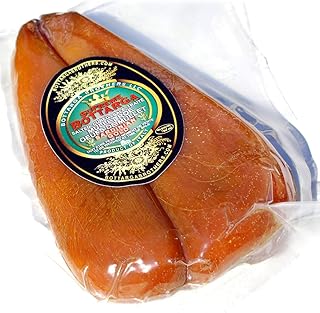
Often referred to as "Sardinian Gold," Bottarga is one of Italy's most cherished and ancient gourmet treasures. This salted, cured fish roe, with its intense umami flavor and complex briny notes, has been a staple of Mediterranean cuisine for centuries. While its roots are deeply embedded in the coastal traditions of Sardinia and Sicily, today it has captured the imagination of chefs and food enthusiasts worldwide, earning its place as a premium gourmet ingredient.
What Exactly is Bottarga?
At its core, Bottarga is the roe sac of fish, meticulously salted, pressed, and air-dried. The process concentrates the flavors, resulting in a hard, wax-like block that can be grated or thinly sliced. The two most celebrated types come from the grey mullet (Muggine) and the bluefin tuna. Grey mullet roe, particularly from Sardinia, is often considered the classic and most widely available variety, offering a balanced, savory taste. Tuna bottarga, primarily from Sicily, tends to have a stronger, more pronounced flavor and a darker color.
A Journey from Sardinian Shores to Global Kitchens
The art of making bottarga is a testament to preservation techniques passed down through generations in fishing communities. In Sardinia, the town of Cabras is legendary for producing L'Oro di Cabras, a designation synonymous with quality. Authentic products like Bottarga Di Muggine from L'Oro di Cabras represent this heritage in its purest form. For those seeking convenience without sacrificing flavor, pre-grated options like Sardinian Grated Bottarga or Le Mareviglie Grated Bottarga are perfect pantry staples.
For a comprehensive look at its origins and varieties, our Ultimate Guide to Italy's Salted Fish Roe Delicacy delves deeper into the fascinating history of this ingredient.
How to Use Bottarga in Your Cooking
The beauty of bottarga lies in its versatility. A little goes a long way, adding a burst of savory depth to simple dishes. Here are some classic and creative ways to enjoy it:
The Classic Pasta: Perhaps the most iconic use is grated over pasta. Spaghetti or linguine tossed with olive oil, garlic, chili flakes, and a generous snowfall of grated bottarga is a dish of sublime simplicity. It's the ultimate pasta topping.
Elevated Appetizers: Thinly slice or shave bottarga over creamy avocado, ripe tomatoes, or fresh oysters. It pairs wonderfully with buttered bread or bruschetta.
Finish for Seafood and Vegetables: Grate it over grilled fish, seared scallops, or even simple steamed asparagus to add a layer of sophisticated saltiness and umami.
In Sauces and Compound Butters: Finely minced bottarga can be blended into softened butter or stirred into mayonnaise or aioli for an instant flavor upgrade.
For specific recipe ideas and techniques, especially using a popular brand like Sanniti Bottarga, check out our dedicated guide on using Sanniti Cured Mullet Roe.
Choosing and Storing Your Bottarga
When selecting whole bottarga, look for a firm, dry texture with a consistent color. It should have a pleasant marine aroma, not an overly fishy smell. High-quality options range from the accessible Smeralda Whole Bottarga to the premium, kosher-certified "Sardinian Gold" Authentic Sardinian Bottarga, which is also available in larger sizes like 5.0oz for serious enthusiasts.
For a unique twist, don't overlook Sicilian Grated Bluefin Tuna Bottarga, which offers a distinctly powerful flavor profile. Whole bottarga should be wrapped tightly in parchment paper or foil and stored in the refrigerator, where it can last for months. Grated bottarga should be kept in an airtight container in the fridge and used within a few weeks for optimal flavor.
Whether you're a seasoned gourmand or a curious home cook, incorporating bottarga into your culinary repertoire is an adventure in flavor. From the sun-drenched coasts of Sardinia to your kitchen, this seafood caviar is a simple yet transformative ingredient that embodies the essence of Mediterranean cuisine.